Best Energy Efficiency Certifications for Buildings
Energy efficiency certifications help building owners and developers demonstrate superior energy performance. From commercial offices to new homes, these programs set the benchmarks for reducing energy consumption and carbon emissions in the built environment. Ranked by global recognition, market adoption, and rigor.

The EPA's benchmarking and certification program for energy-efficient commercial buildings. ENERGY STAR is the most widely used energy performance benchmark in the US.
Certifies newly constructed homes and apartments that meet strict energy efficiency guidelines. ENERGY STAR homes are typically 10–20% more efficient than code-built homes.

Passivhaus
Passivhaus Institut
The global gold standard for ultra-low-energy buildings. Passive House focuses on airtight construction, superinsulation, and heat recovery to slash heating and cooling demand by up to 90%.

Zero Energy Certification
International Living Future Institute
From the International Living Future Institute, this certification verifies buildings that produce as much clean energy as they consume over 12 months of actual operation.

Minergie
MINERGIE® Association
Switzerland's leading energy performance standard for new and renovated buildings. Minergie sets strict limits on energy consumption, thermal comfort, and indoor air quality with three certification tiers.

DOE Efficient New Homes Program
U.S. Department of Energy
The U.S. Department of Energy's program for homes so efficient they can offset all or most energy use with renewables. Sets the highest bar for residential energy performance in North America.
Recognizes industrial facilities that achieve top-quartile energy performance in their sector. The only EPA program specifically designed for manufacturing and industrial operations.
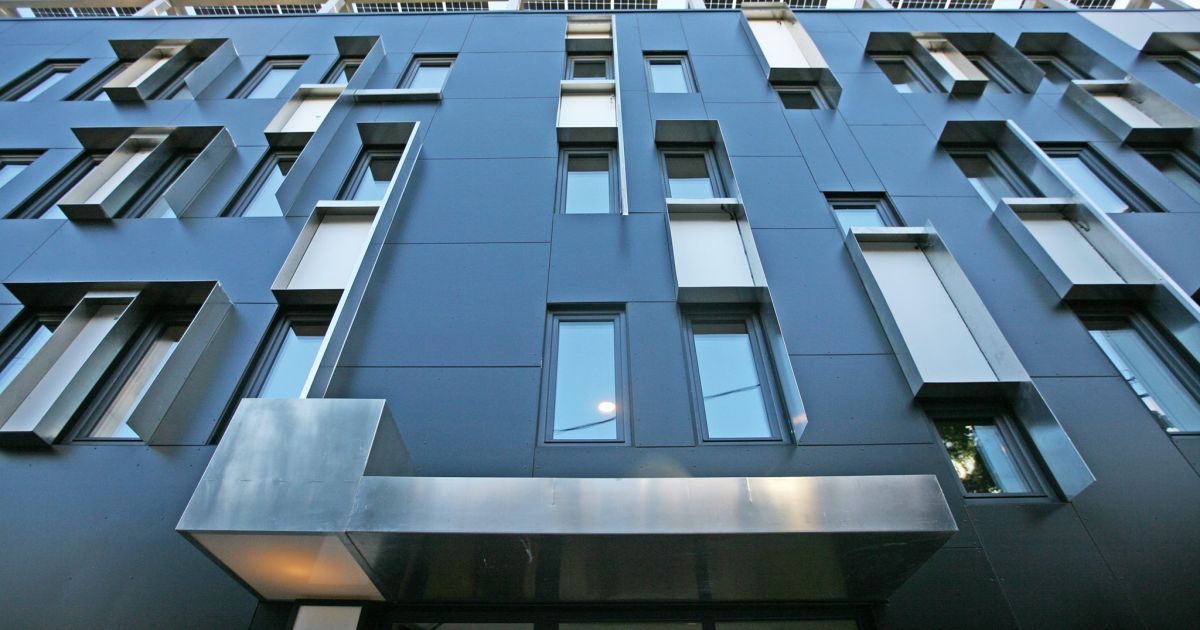
Phius CORE is the North American passive building standard, combining climate-specific energy targets with airtightness and ventilation requirements for high-performance buildings.
Nationwide House Energy Rating Scheme
Department of Industry (Government of Australia)
Australia's official framework for rating the energy efficiency of residential buildings on a 0–10 star scale. Required for new home construction across most Australian states.

Energy Labelling of Buildings: EU
European Commission and INIVE EEIG
The EU's mandatory Energy Performance Certificate (EPC) framework for buildings. Required at sale or rental across all EU member states, rating buildings from A (most efficient) to G.

GNFZ Final Net Zero Certification
Global Network for Zero
The Global Network for Zero's certification for buildings that have achieved verified net-zero energy, carbon, water, or waste. A rigorous, performance-based standard.
How we rank these certifications
Rankings are based on global market adoption, third-party recognition by standards bodies, number of certified projects or holders, geographic availability, and rigor of assessment requirements. Data is sourced from each program's official registry and our database of 748+ certification programs.
More Curated Lists
Best Green Certifications for Commercial Buildings
10 programs · Updated Mar 2026
Best Green Certifications for Residential Buildings
10 programs · Updated Mar 2026
Best Environmental Certifications for Products
12 programs · Updated Mar 2026
Best Sustainability Certifications for Career Professionals
10 programs · Updated Mar 2026
Best ESG & Sustainability Certifications for Companies & Businesses
10 programs · Updated Jul 2026
Best Energy Efficiency Certifications for Products
10 programs · Updated Mar 2026
Best Health & Wellness Certifications for Buildings
10 programs · Updated Mar 2026
Best Sustainability Certifications for Food & Agriculture
12 programs · Updated Mar 2026
Best Carbon & Climate Certifications for Organizations & Products
11 programs · Updated Aug 2026
Best Sustainability Certifications for Hotels & Tourism
10 programs · Updated Mar 2026
Best Equity & Social Impact Certifications for Organizations
10 programs · Updated Mar 2026
Best Social Impact Certifications for Buildings
10 programs · Updated Mar 2026